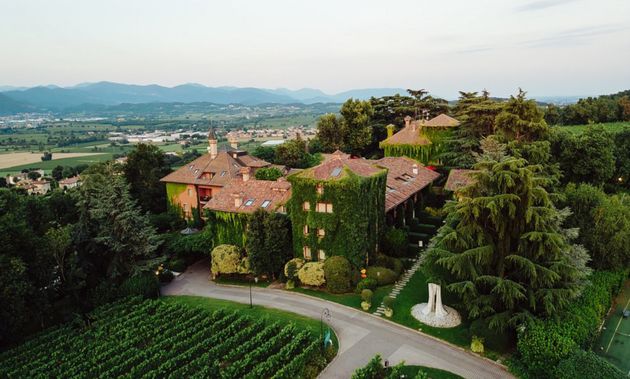
A connoisseur's country haven, L'Albereta is an ancient manor located in the alpine forelands in the heart of the Franciacorta wine-growing region...
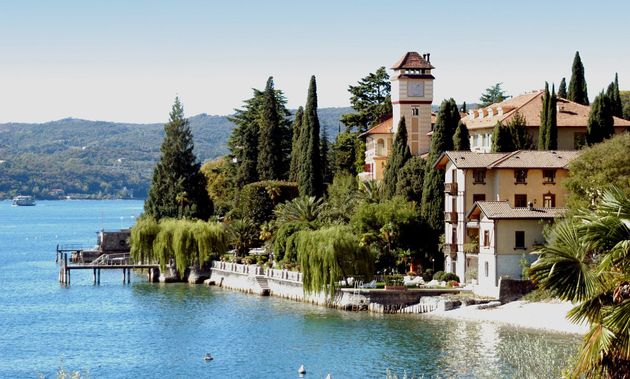
The Grand Hotel Fasano is perched on picturesque Lake Garda and set within a 12,000-square-meter park that is filled with palms and banana trees.
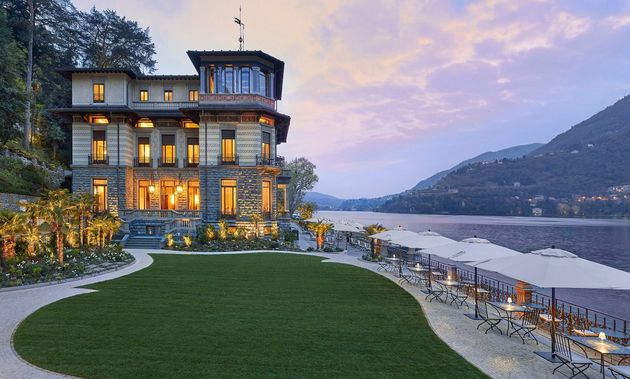
Mandarin Oriental, Lago di Como offers five-star lakefront splendour on the shores of Lake Como.
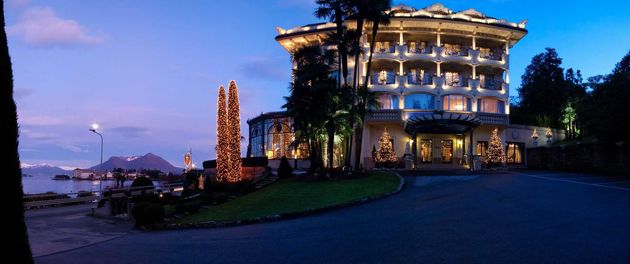
Like something out of a fairytale, with picturesque gardens, grandiose mountains, and shimmering lake shores, Villa & Palazzo Aminta invites you experience Italy...
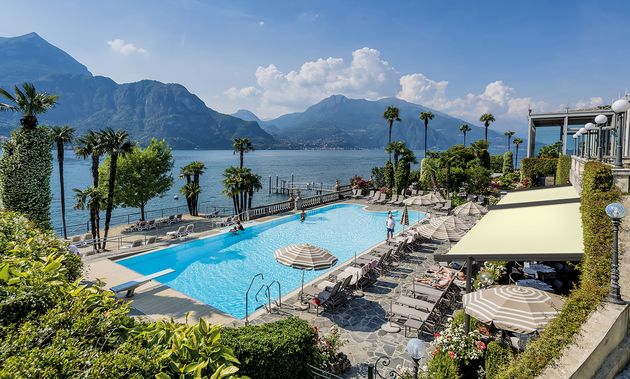
Since 1873, The Grand Hotel Villa Serbelloni has been one of most elegant hotels in the Lake Como area and the only 5-star deluxe hotel in Bellagio.
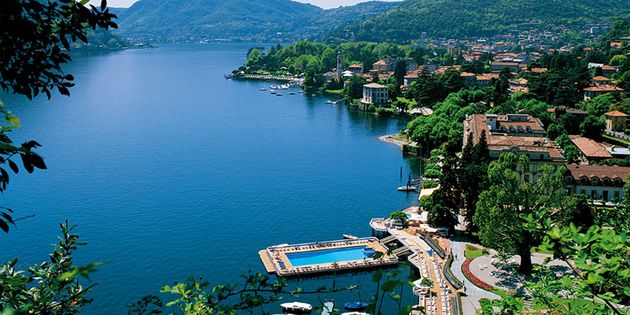
Once the private residence of the Cardinal of Como, Villa d'Este resides on the exclusive shores of Lake Como in Italy's Lombardy region...
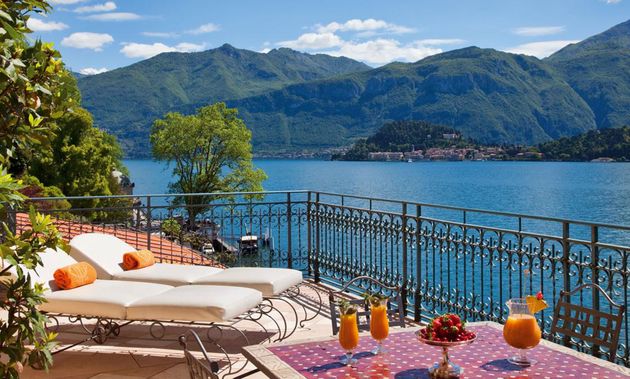
Grand Hotel Tremezzo is a five-star deluxe hotel built in Liberty style in 1910. With 100 years of history, it represents much more than a prestigious hotel: it embodies the accommodation art according to the taste and the most authentic Italian tradition.
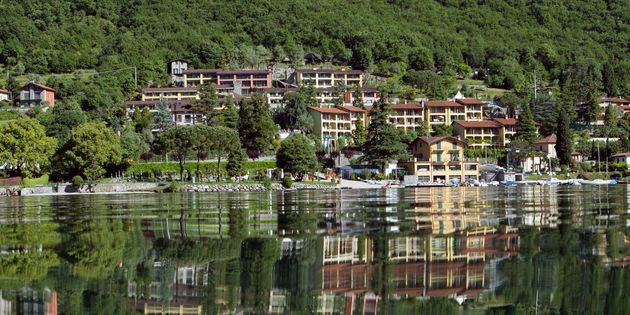
Set on the Italian shore of Lake Lugano, Parco San Marco Hotels & Beach Resort unfolds across 23.5 hectares of gardens and woodland, giving the sensation of arriving at a private lakeside estate rather than simply checking into a hotel.
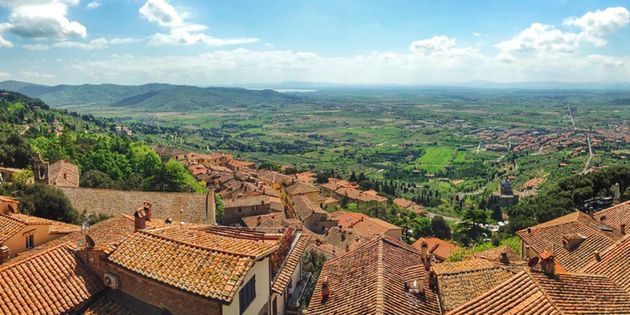
Just an hour or so southeast of Florence, the magnificent medieval village of Cortona provides an ethereal setting for Villa Marsili, one of the town's most elegant residences...
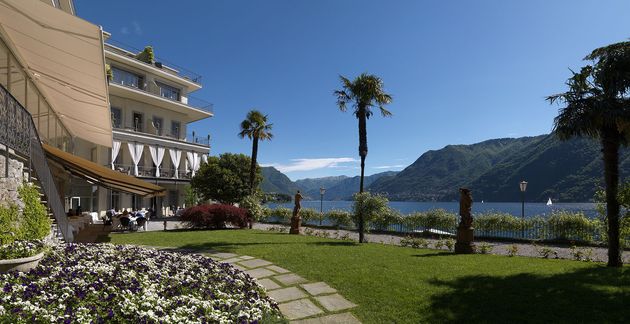
On the shores of Lake Como, ringed by ultra-glamorous villas built at the feet of the Alps, sits Hotel Villa Flori, a haven of northern Italian charm...
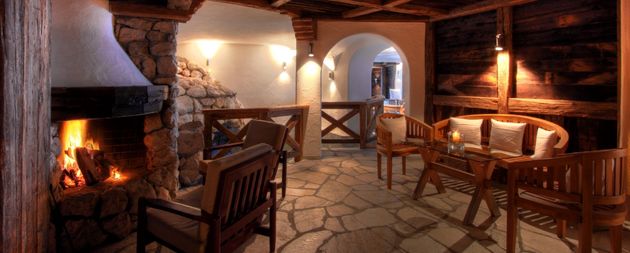
Perched among olive-draped hills above Tremezzo, Hotel La Perla feels wonderfully removed from the bustle of the lakeshore, yet keeps Lake Como spread before you like a private panorama.
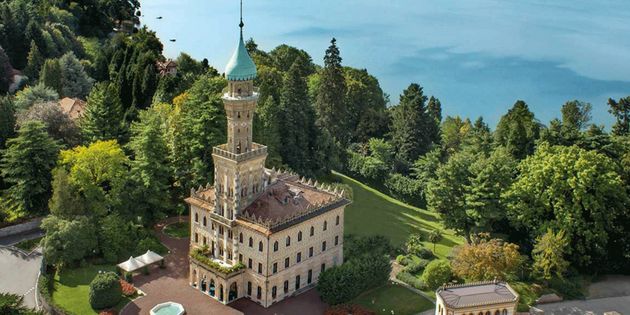
In the heart of Italy's Piedmont region, surrounded by rolling parklands adjacent to Lake Orta, Villa Crespi is like a fairytale waiting to happen. It's ornate architecture and meticulously preserved grandeur welcome guests with an authentic European panache...
Showing 1 - 12 of 12
Italy
Few destinations reward indulgence quite like Italy, where extraordinary hotels, centuries of art and some of the world’s most celebrated food and wine are woven into everyday life. In Rome, private after-hours tours can reveal ancient landmarks without the daytime crowds, while grand hotels, rooftop aperitivos and elegant restaurants provide a suitably luxurious counterpoint to days spent among ruins and Renaissance masterpieces.Head north to Florence and Tuscany, where the pace slows considerably. Florence is the birthplace of the Renaissance and remains filled with works by Michelangelo, Botticelli and other masters, while the countryside beyond offers vineyard estates, medieval hill towns and beautifully restored villas. A private wine tasting in Chianti, truffle hunting near San Miniato, or a leisurely drive through the Val d’Orcia turns sightseeing into something much more personal.
For pure glamour, Italy’s lakes and coastlines are difficult to rival. Lake Como has attracted aristocrats and sophisticated travelers for generations, with historic villas and gardens lining its shores. Farther south, the Amalfi Coast delivers cliffside hotels, private boats and long lunches overlooking the Mediterranean, while Capri adds hidden coves, designer boutiques and an unmistakable sense of occasion.
The secret to traveling Italy well is resisting the temptation to see everything. Choose a few places, arrange the experiences that matter most, and leave room for an unplanned afternoon—the long lunch, tiny wine bar or quiet piazza you never intended to find often becomes the most memorable luxury of all.
