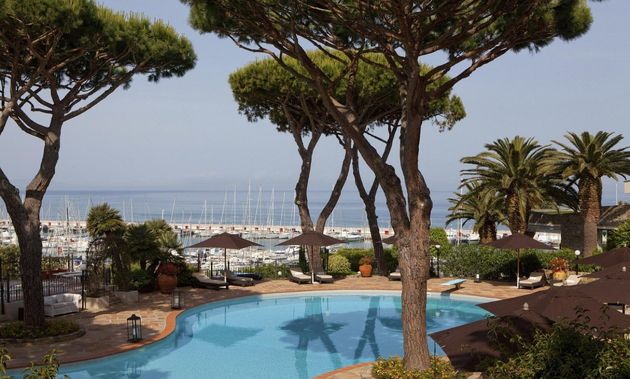
Our luxury hotel in Tuscany is an ideal destination for experiencing a unique stay, with heartfelt hospitality by Baglioni Hotels that will make you feel at home and fill you with sweet nostalgia when you leave.
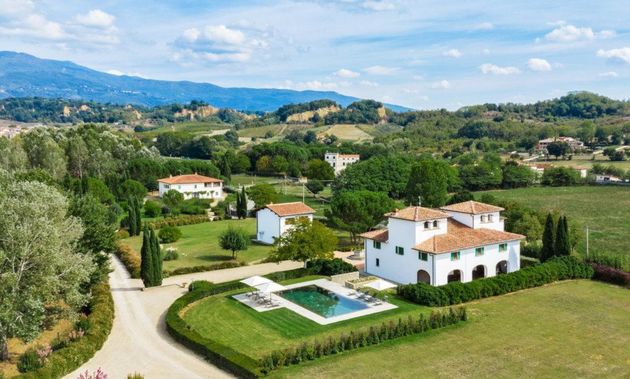
Nestled in the rolling hills of Regello Italy, Viesca Toscana offers an enchanting retreat that seamlessly blends rustic charm with modern luxury.
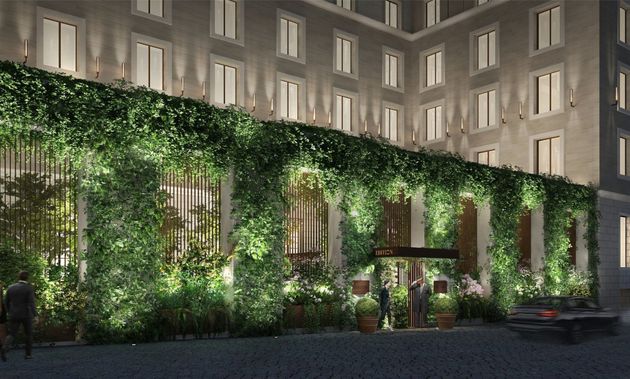
With its central location at a few steps from Via Veneto and Bernini’s Tritone Fountain in Piazza Barberini, The Rome EDITION is within a short walk of all the best that the city has to offer, such as the Spanish Steps, Trevi Fountain, the Borghese Gardens and Gallery, and all the other wonders that makes Rome a must-see destination.
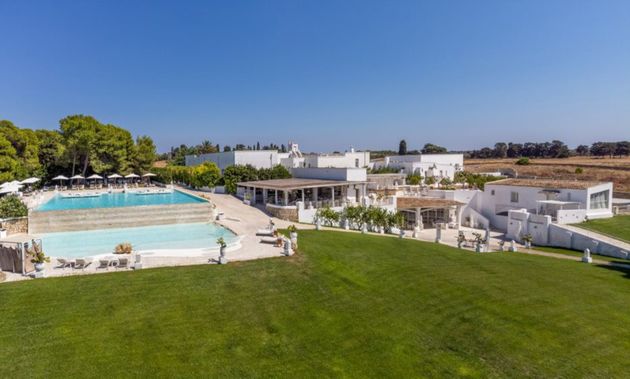
White stone treasure troves with a rustic and elegant style, where harmony, beauty and purity give life to wonderful dwellings. The 40 rooms and suites, bright and spacious, are totally surrounded by greenery and preserve the typical architectural identity of the territory. Large, elegant and comfortable spaces: perfect for sublime relaxing moments.
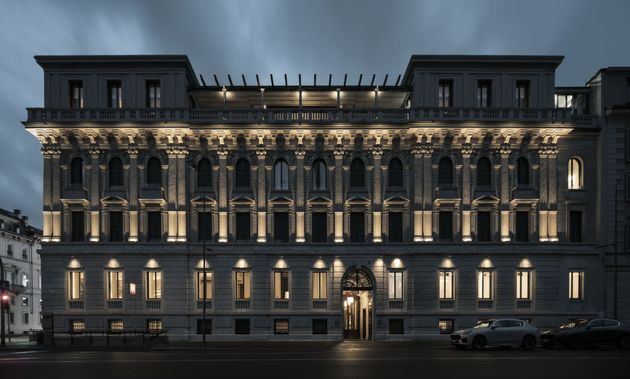
Located near the oldest Milanese gardens, “Giardini Indro Montanelli”, Casa Cipriani Milano is reminiscent of the ancient english gentlemens club.
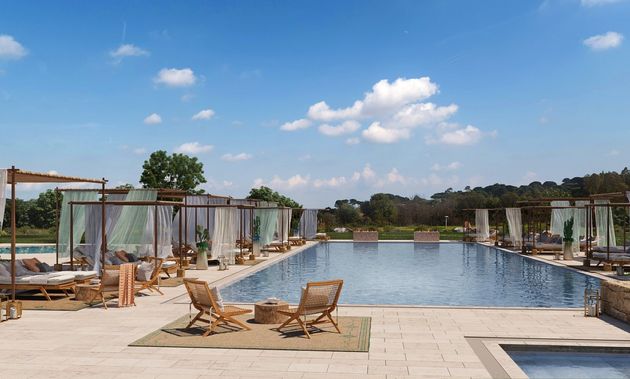
On Sardinia’s dreamy north-east coast, the Baglioni Resort Sardinia is immersed in a sublime natural landscape without peer in the entire Mediterranean and stands in the Tavolara marine reserve near one of the island’s most beautiful beaches, Lu Impostu.
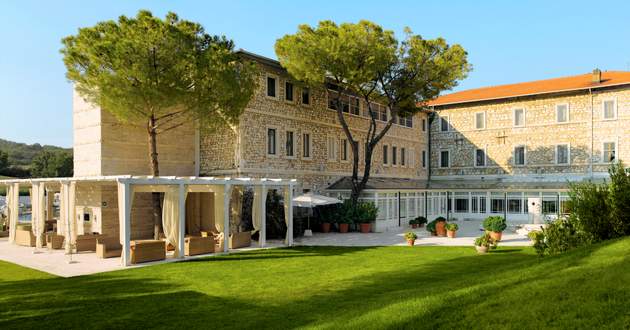
Built around the bubbling, sulphurous formations of spring water with fabled beginnings, Terme di Saturnia Spa & Golf Resort pays homage to the culture, history, and beauty of Italy's renowned Manciano province...
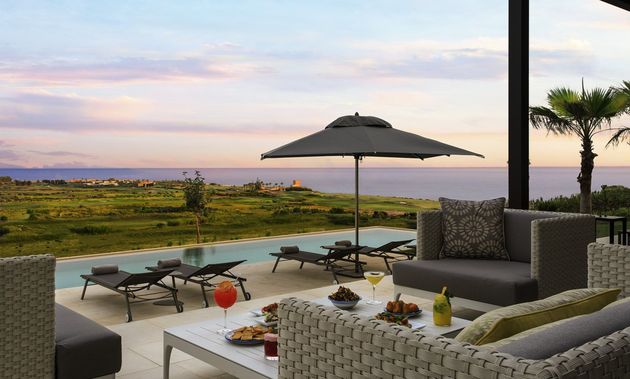
Set on a hillside overlooking Verdura Resort and the Mediterranean Sea, our new Rocco Forte Private Villas are the perfect base for a Sicilian holiday.
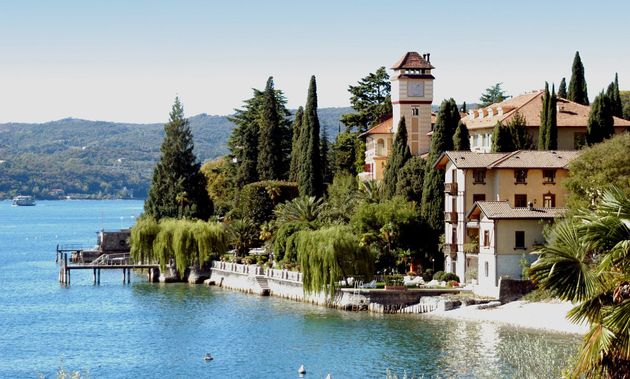
The Grand Hotel Fasano is perched on picturesque Lake Garda and set within a 12,000-square-meter park that is filled with palms and banana trees.
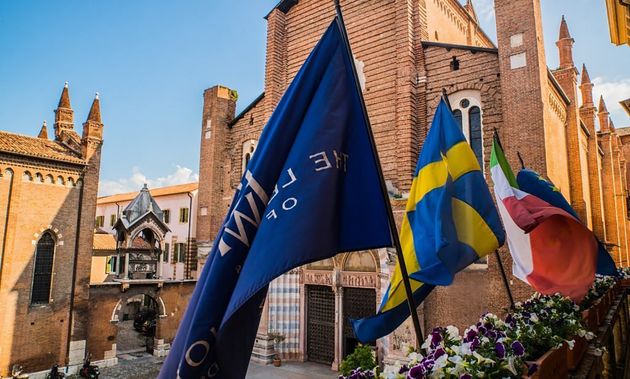
Built in the 13th century as a magnificent private home for nobility, Due Torri Hotel in Verona today still boasts exclusive quarters for celebrities from the worlds of politics, culture, art, and entertainment.
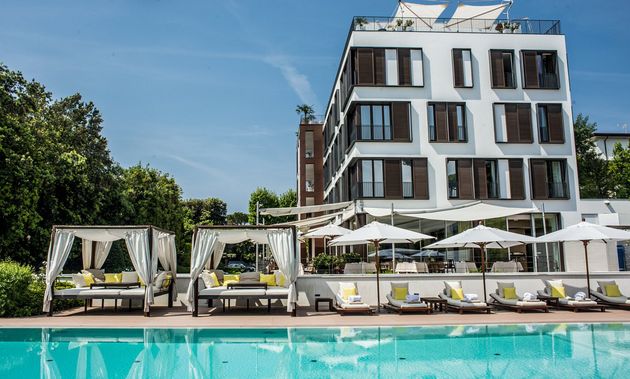
Located on the Tuscan coast, just 25 minutes from Pisa and 1 hour from Florence, the hotel affords spectacular views of the Mediterranean Sea and the Apuan Alps.
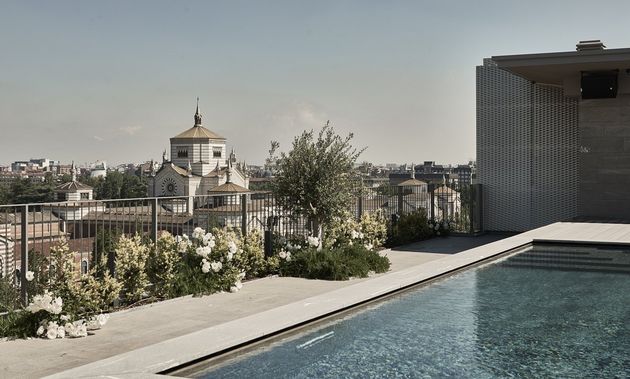
Hotel VIU Milan is set in the up-and-coming area of Porta Volta/Garibaldi, between Milan’s new financial district and the city center.
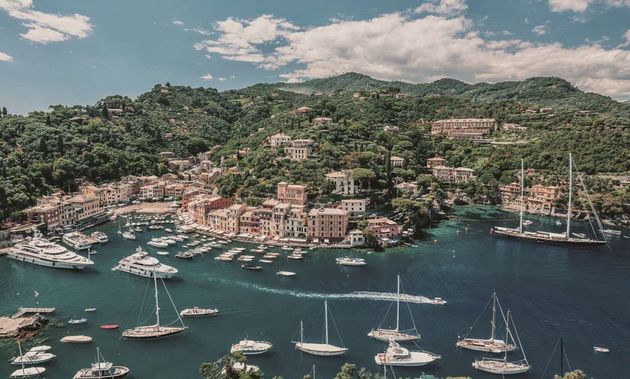
It began life as a charming guesthouse for weary fishermen and travelers. Today, shining with a strong new personality but retaining the ethos of its roots, Portofino is a gathering place for stylish Italians and international travelers.
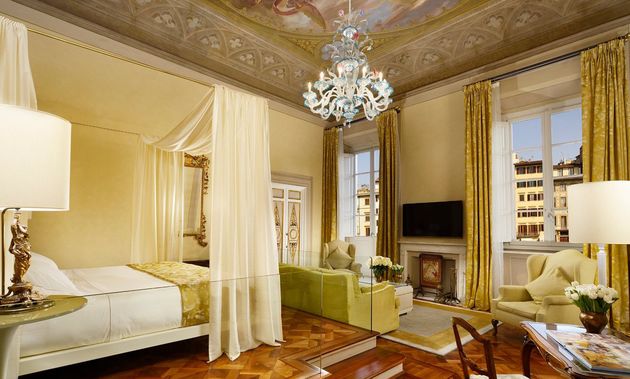
Italian family-owned Grand Hotel Minerva luxury hotel, completed in 2018 a multi-million dollar renovation of all 97 rooms and suites, as well as public areas, in celebration of the property’s 150th Anniversary.
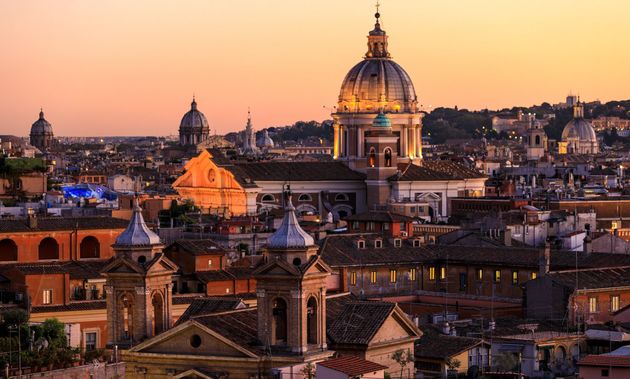
A lively 18th-century palazzo in a peerless position, Hotel de la Ville both embodies and overlooks life in the Eternal City.
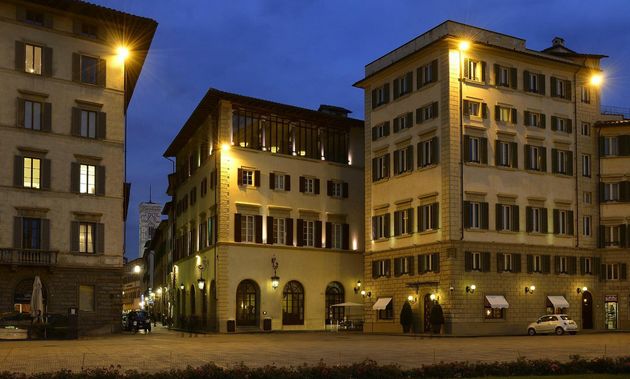
L’Orologio Firenze overlooks Santa Maria Novella, one of the most beautiful squares of Florence, in the true center of town and just a few minutes from the Duomo, Ponte Vecchio and the main shopping streets.
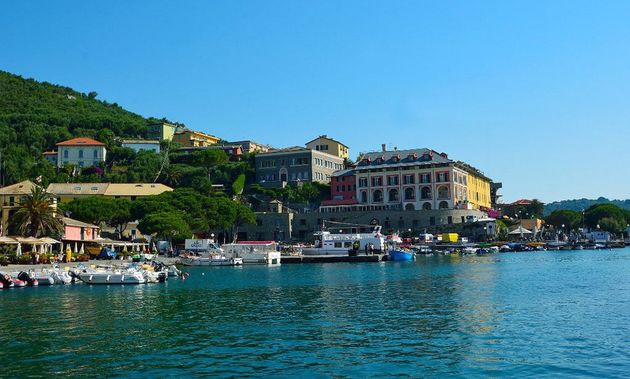
The charming village of Portovenere, which sits on the point connecting the renowned Cinque Terre and the inspiring Gulf of the Poets, is the perfect place to experience the serenity of Southern Liguria.
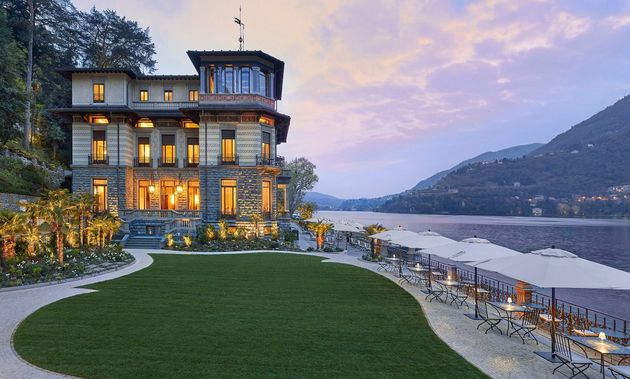
Mandarin Oriental, Lago di Como offers five-star lakefront splendour on the shores of Lake Como.
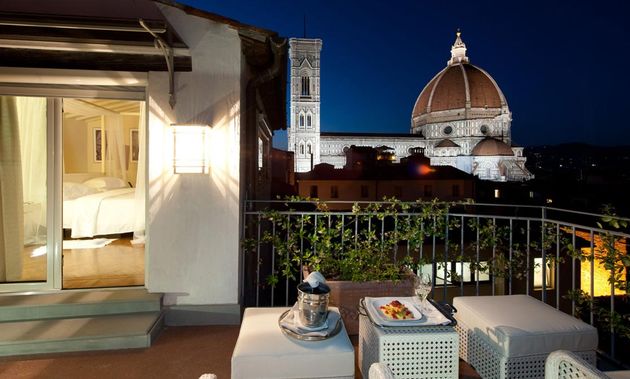
A historical pearl inside the heart of Florence city center, just a few steps from the Duomo, Piazza della Signoria, the Uffizi Gallery, Ponte Vecchio and shopping district
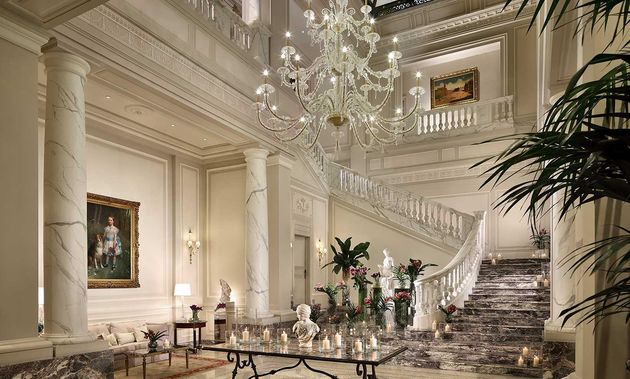
Palazzo Parigi invites guests to experience a noble residence in the heart of Milan, where each guest is master of the domain and stars in a beautiful and luxurious fairy tale.
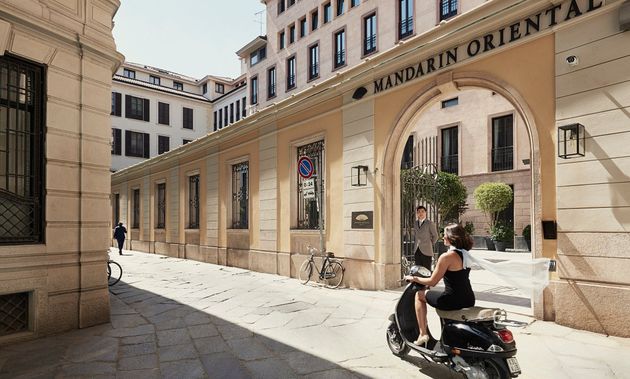
Mandarin Oriental, Milan is a stylish and intimate urban retreat, featuring 104 guestrooms, including 34 beautifully appointed suites.
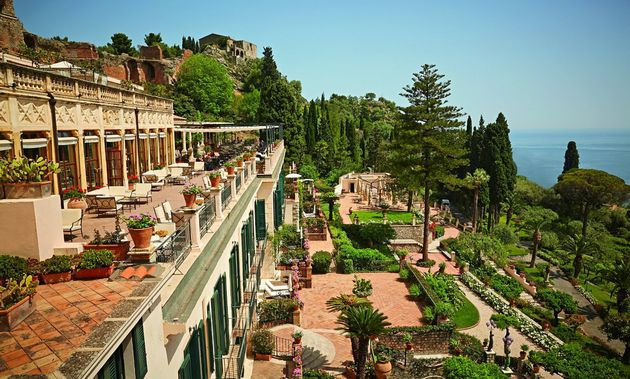
Grand Hotel Timeo, a Belmond Hotel, is a storied hideaway in the heart of Taormina.
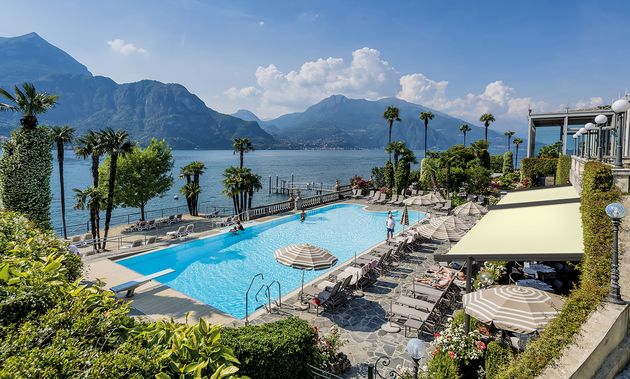
Since 1873, The Grand Hotel Villa Serbelloni has been one of most elegant hotels in the Lake Como area and the only 5-star deluxe hotel in Bellagio.
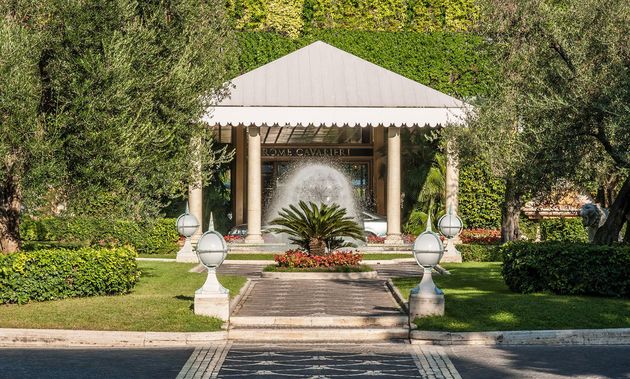
Set in a private 15-acre Mediterranean park on Rome's highest hilltop, Rome Cavalieri, A Waldorf Astoria Hotel, offers sweeping panoramic views of the Eternal City with St. Peter's Dome in full view.
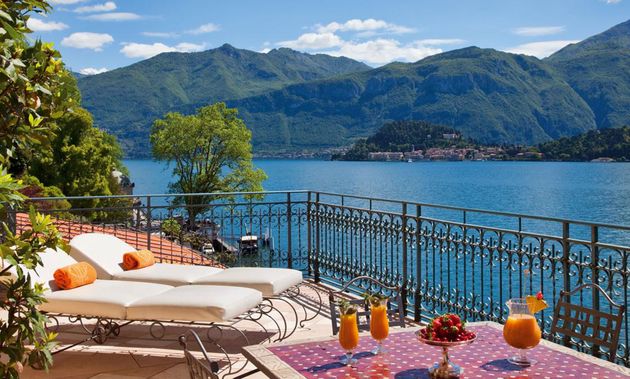
Grand Hotel Tremezzo is a five-star deluxe hotel built in Liberty style in 1910. With 100 years of history, it represents much more than a prestigious hotel: it embodies the accommodation art according to the taste and the most authentic Italian tradition.
Italy
Few destinations reward indulgence quite like Italy, where extraordinary hotels, centuries of art and some of the world’s most celebrated food and wine are woven into everyday life. In Rome, private after-hours tours can reveal ancient landmarks without the daytime crowds, while grand hotels, rooftop aperitivos and elegant restaurants provide a suitably luxurious counterpoint to days spent among ruins and Renaissance masterpieces.Head north to Florence and Tuscany, where the pace slows considerably. Florence is the birthplace of the Renaissance and remains filled with works by Michelangelo, Botticelli and other masters, while the countryside beyond offers vineyard estates, medieval hill towns and beautifully restored villas. A private wine tasting in Chianti, truffle hunting near San Miniato, or a leisurely drive through the Val d’Orcia turns sightseeing into something much more personal.
For pure glamour, Italy’s lakes and coastlines are difficult to rival. Lake Como has attracted aristocrats and sophisticated travelers for generations, with historic villas and gardens lining its shores. Farther south, the Amalfi Coast delivers cliffside hotels, private boats and long lunches overlooking the Mediterranean, while Capri adds hidden coves, designer boutiques and an unmistakable sense of occasion.
The secret to traveling Italy well is resisting the temptation to see everything. Choose a few places, arrange the experiences that matter most, and leave room for an unplanned afternoon—the long lunch, tiny wine bar or quiet piazza you never intended to find often becomes the most memorable luxury of all.
