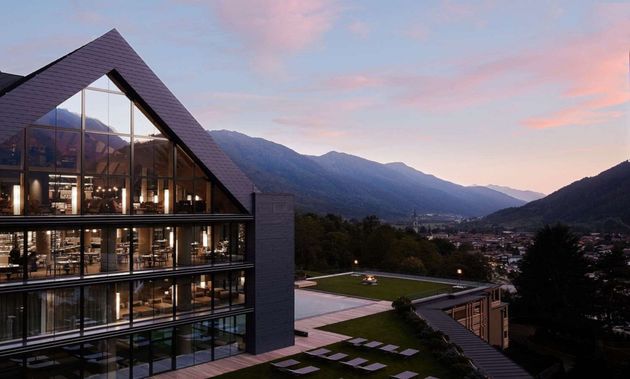
An innate beauty which can be experienced in every season: in winter glaciers and snow-capped peaks are the ideal destination for skiers of all levels; while in summer the idyllic green mountains of the Dolomites provide the perfect sets for hiker.
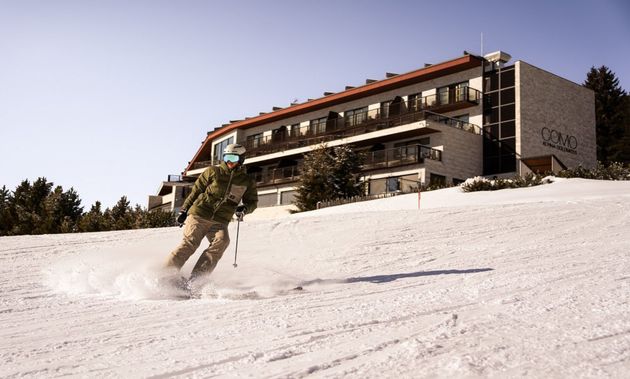
The property’s prime location offers breathtaking panoramic views of the surrounding peaks and lush meadows, which transform into a winter wonderland during the colder months. With direct access to ski slopes in winter and hiking and biking trails in summer, it is the ideal base for exploring the natural wonders of the Dolomites.
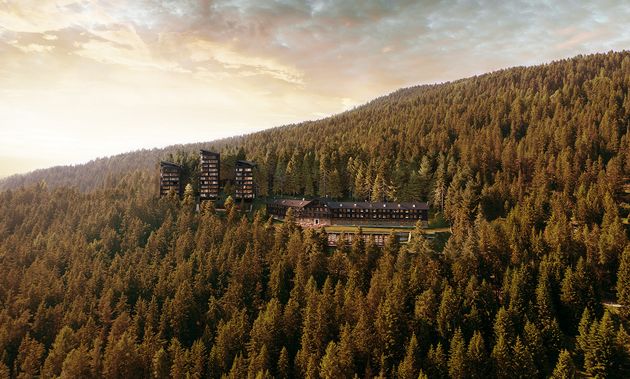
FORESTIS lies in a sheltered sunny location on the southern slope of the Plose mountain in the South Tyrolean Alps, directly opposite the impressive massifs of the Dolomites UNESCO World Heritage Site.
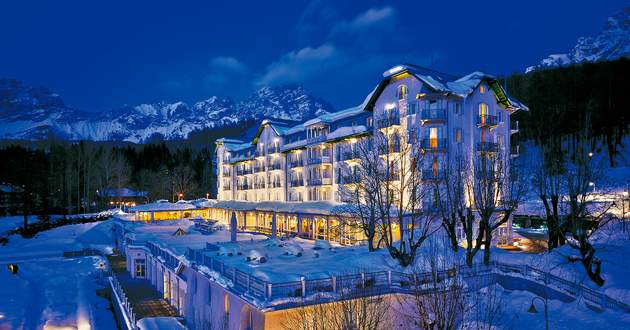
The only 5-star hotel in the Dolomites, this century-old ski lodge offers a Transvital Swiss Beauty Center known for anti-aging treatments
Showing 1 - 4 of 4
Italy
Few destinations reward indulgence quite like Italy, where extraordinary hotels, centuries of art and some of the world’s most celebrated food and wine are woven into everyday life. In Rome, private after-hours tours can reveal ancient landmarks without the daytime crowds, while grand hotels, rooftop aperitivos and elegant restaurants provide a suitably luxurious counterpoint to days spent among ruins and Renaissance masterpieces.Head north to Florence and Tuscany, where the pace slows considerably. Florence is the birthplace of the Renaissance and remains filled with works by Michelangelo, Botticelli and other masters, while the countryside beyond offers vineyard estates, medieval hill towns and beautifully restored villas. A private wine tasting in Chianti, truffle hunting near San Miniato, or a leisurely drive through the Val d’Orcia turns sightseeing into something much more personal.
For pure glamour, Italy’s lakes and coastlines are difficult to rival. Lake Como has attracted aristocrats and sophisticated travelers for generations, with historic villas and gardens lining its shores. Farther south, the Amalfi Coast delivers cliffside hotels, private boats and long lunches overlooking the Mediterranean, while Capri adds hidden coves, designer boutiques and an unmistakable sense of occasion.
The secret to traveling Italy well is resisting the temptation to see everything. Choose a few places, arrange the experiences that matter most, and leave room for an unplanned afternoon—the long lunch, tiny wine bar or quiet piazza you never intended to find often becomes the most memorable luxury of all.
