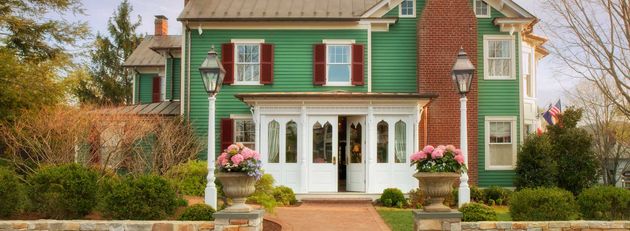
The Inn’s dining rooms are pure fantasy – a wondrous cocoon of luxury. Rose-colored, silk lampshades float above each table creating a private, romantic world below.
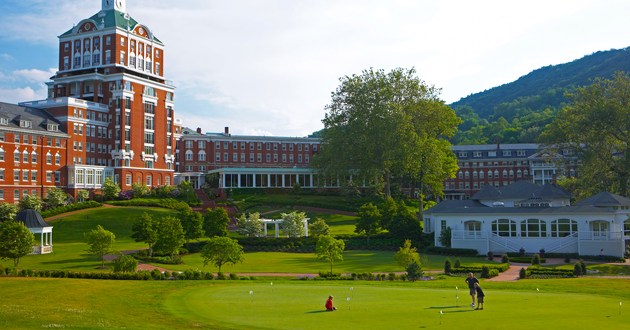
Emerging from the vibrantly lush Allegheny Mountains, where hints of yellow and burnt orange intermingle with deep greens, The Omni Homestead Resort is a grandiose testament to classic Southern charm and hospitality...
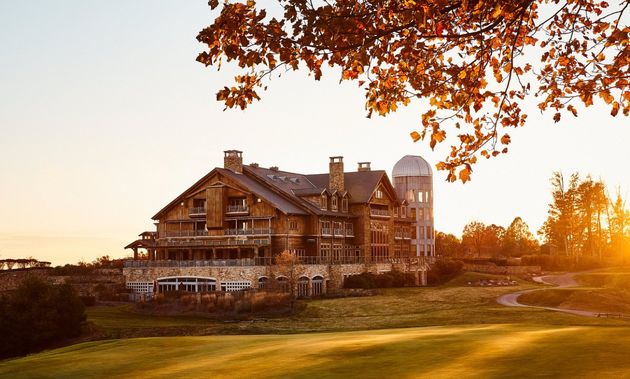
Discover the #1 rated resort in the Southeast U.S according to Condé Nast Traveler.
3rd Night Free + breakfast + $100
Valid for travel through Aug 31, 2022. Blackout dates may apply.
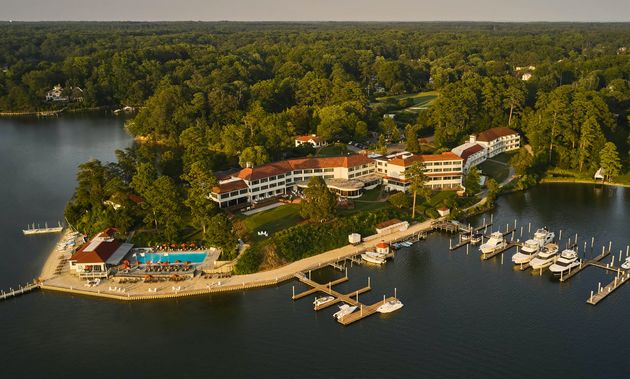
The Tides Inn is a Chesapeake Bay resort set in the heart of Virginia's Northern Neck
4th Night Free + breakfast + $50
Valid for travel through Sep 30, 2022. Blackout dates may apply.
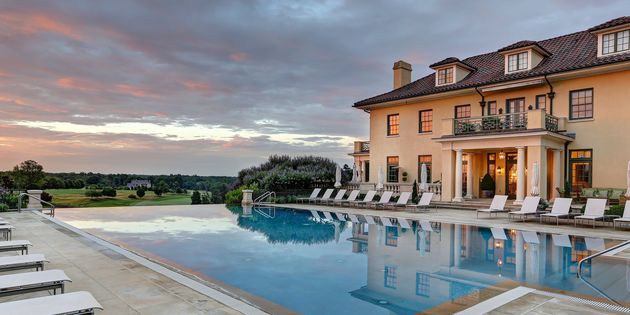
A retreat where you feel pampered and renewed. History and spectacular landscapes come together at the foot of the Blue Ridge Mountains.
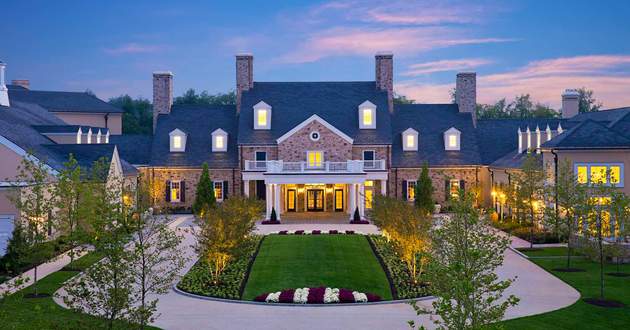
On nearly 400 acres in the foothills of the Blue Ridge Mountains, Salamander Resort & Spa is a refreshing retreat amidst Virginia's lush vineyards and famed horse country...
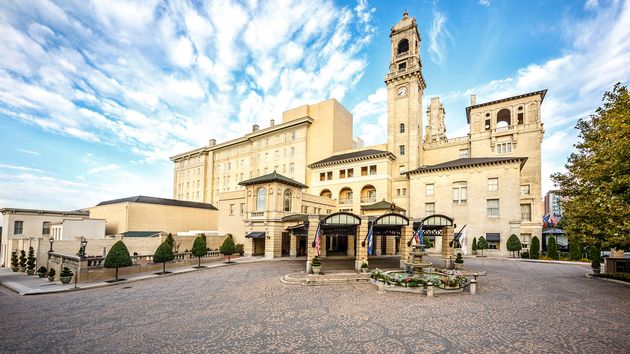
Step back in time to a more elegant and grandiose era, where gleaming luxury meets warm Southern charm, and fall in love with The Jefferson Hotel in Richmond, Virginia...
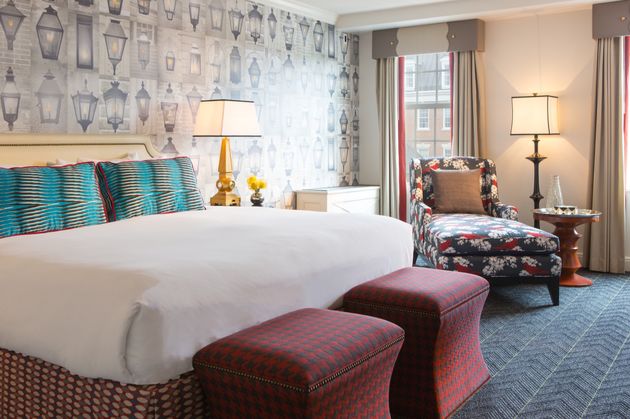
We're close enough to the nation's capital to explore its bounty, yet far enough to appreciate the quieter cobblestoned streets for mellow evenings on the (old) town.
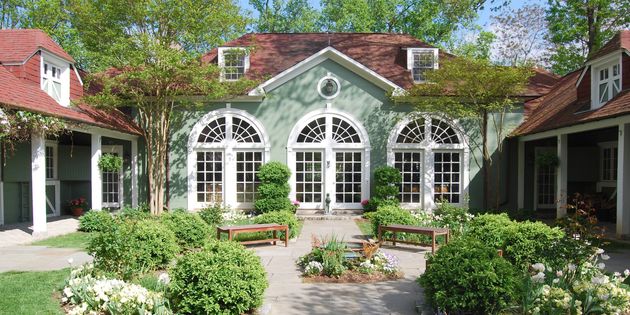
The essence of gracious Southern living, the Goodstone Inn & Restaurant celebrates life's finer pleasures in historic Middleburg, Virginia...

Embracing the Golden Age of travel at Le Méridien Arlington, a chic hotel in downtown Arlington, VA. Located in the heart of the Washington D.C. Metro Area, our hotel offers breathtaking views of Georgetown across the Potomac River.

At The Ritz-Carlton, Tysons Corner, works from Virginia artists adorn the walls, accommodations look out over Washington, DC or the Blue Ridge Mountains
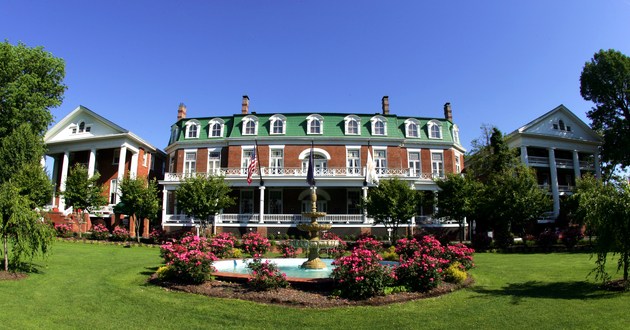
A charming and luxurious escape awaits at The Martha Washington Hotel & Spa in the majestic Blue Ridge Mountains of Virginia
Showing 1 - 12 of 12
Virginia Between History and Horse Country
Virginia's landscapes tell the story of America. From colonial settlements and Civil War battlefields to grand estates and centuries-old towns, history is woven into everyday life here. Beyond its storied past, the state is characterized by rolling countryside, vineyard-covered hills, and stretches of coastline that trace the Chesapeake Bay.Charlottesville often serves as a starting point for luxury travelers. Surrounded by the Blue Ridge Mountains, the area is known for its wineries and farm-to-table dining scene. Some of the best luxury resorts in Virginia are found tucked into these hills, where horseback riding and scenic drives form the rhythm of daily life.
Further east, the Tidewater region offers a different perspective. Small waterfront towns, sailing excursions on the Chesapeake, and oyster farms supplying some of the country's finest shellfish create a strong connection to the water. Virginia's culinary identity is closely tied to this landscape. Menus frequently feature Chesapeake blue crab and freshly shucked oysters, often paired with wines from the state's rapidly growing wine regions.
Virginia is easily reached from major East Coast cities, with direct flights into Richmond, Norfolk, and Washington, D.C. What distinguishes the state is the way history remains present; not confined to museums, but embedded within the landscapes themselves.
